
Jaylin Williams, especially during his tenure at Arkansas, established himself as a smart and talented player, with a considerable part of his reputation linked to his rebounding skills. However, labeling him merely as a “rebound machine” is overly simplistic. Although his raw rebounding statistics may not always be striking, a more thorough analysis uncovers a sophisticated understanding of rebounding concepts, a strong work ethic, and a remarkable ability to position himself and read the game effectively.
To truly appreciate his rebounding, several key elements should be examined beyond just the numerical data:
- How he rebounds
- Against whom he rebounds
- Why he is effective in his rebounding
His influence on the defensive boards is often overshadowed by more flashy highlights, yet it’s an essential aspect of a successful team. By grabbing rebounds, he helps his team maintain possession, minimize the opponent’s second-chance opportunities, and kick-start fast breaks. Williams’ rebounding skills are not solely reliant on physicality; they reflect his basketball intelligence, dedication, and profound grasp of the sport. Essentially, he approaches rebounding with a more strategic mindset rather than just a physical one, leveraging his basketball IQ to gain an advantage. We must look beyond the mere statistics to appreciate his contributions fully.
Fans seeking those deeper metrics – rebound rate charts, possession data, and game highlights – can find them all under STATS & HIGHLIGHTS.

Jaylin Williams’ Rebounding Profile
To truly assess Williams’ rebounding skills, we need to move beyond simply saying, “He gets X rebounds per game.” Let’s consider several key factors:
Rebounding Rate vs. Raw Numbers
Counting stats serve as an initial reference point. A player in a high-tempo team, which results in more possessions, will likely have increased chances to secure rebounds. Hence, analyzing rebounding rate—how many rebounds are collected relative to the total available—offers a clearer perspective. We need to determine if Williams is a player who accumulates rebounds simply due to his extended playing time, or if he truly excels at collecting rebounds while on the court. Comparing his rebounding rate to that of his teammates can reveal significant insights, with a higher rate indicating greater rebounding effectiveness.
Offensive vs. Defensive Rebounding
These two types of rebounding represent different skill sets. Offensive rebounding demands assertiveness, the ability to anticipate missed shots, and the right positioning to outmaneuver opponents for the ball after a shot attempt. In contrast, defensive rebounding requires boxing out competitors, securing the ball, and starting the fast break. Williams appears to emphasize defensive rebounding, prioritizing possession security over pursuing high-flying offensive boards. This strategy results in fewer second-chance opportunities for opponents, which is vital for success in basketball.
Opponents and Teammates
When assessing Williams’ rebounding statistics, it’s important to consider the caliber of his opponents. He may record fewer rebounds against teams with particularly strong frontcourt players. Additionally, having other effective rebounders on his team can affect his individual performance. Playing alongside another elite rebounder could lead to a decrease in his own rebounds per game. Thus, a comprehensive analysis of his rebounding effectiveness against various opponents and in different team dynamics is essential for an accurate appraisal.
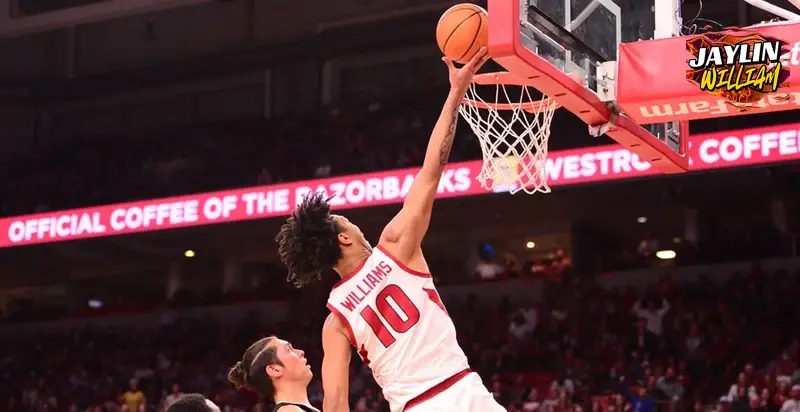
What Makes Williams a Good Rebounder?
Beyond the statistics, certain intangible factors contribute to Williams’ rebounding success:
Court Awareness and Anticipation
Williams possesses exceptional court awareness. He anticipates where the ball is likely to come off the rim based on the shooter’s release point, the shot’s trajectory, and the positioning of other players. This anticipation gives him a crucial head start in securing rebounds. For example, he might recognize that a particular shooter tends to miss long, allowing him to position himself further away from the basket than other players.
Boxing Out and Positioning
Boxing out is fundamental to rebounding, and Williams excels at it. He uses his body effectively to create space between himself and opposing players, preventing them from getting to the rebound. He establishes a solid base and maintains contact, ensuring he has the positional advantage. This foundational skill is often overlooked but is key to consistent rebounding success.
Effort and Motor
Rebounding is as much about effort as it is about skill. Williams consistently demonstrates a high motor and an unwavering commitment to pursuing rebounds, even when it seems unlikely he’ll get there. This relentless effort often translates to tipped rebounds, contested rebounds, and, ultimately, more possessions for his team. Imagine a hypothetical scenario where two players are equally positioned to pursue a rebound, but one displays greater hustle; the likely outcome is the player with greater effort securing the rebound.
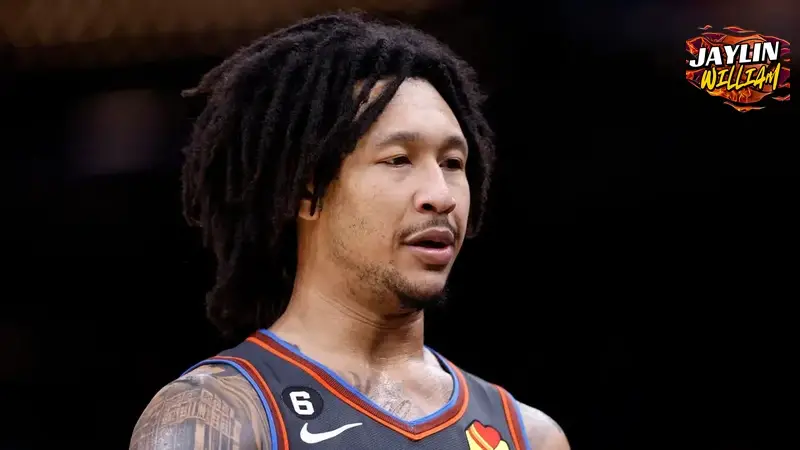
More Than Just Grabbing the Ball
Williams’ rebounding isn’t just about collecting missed shots; it’s about strategically using those possessions to benefit his team:
Transition Offense Initiation
Williams is adept at quickly transitioning from defensive rebound to offensive initiation. He secures the rebound, makes quick outlet passes to guards, and initiates fast breaks. This ability to turn defensive stops into offensive opportunities makes him a valuable asset in a fast-paced game. This skill is more than just passing; it’s about making smart decisions on the fly, recognizing open lanes, and getting the ball to the right player at the right time.
Possession Control and Second Chance Prevention
By consistently securing defensive rebounds, Williams helps his team maintain possession and prevent opponents from getting second-chance opportunities. This improved defensive efficiency often translates to fewer points allowed per game, a critical component of a successful team. Imagine a game where a team secures 5-6 more defensive rebounds than their opponent; those are 5-6 fewer opportunities for the opponent to score, significantly impacting the game’s outcome.
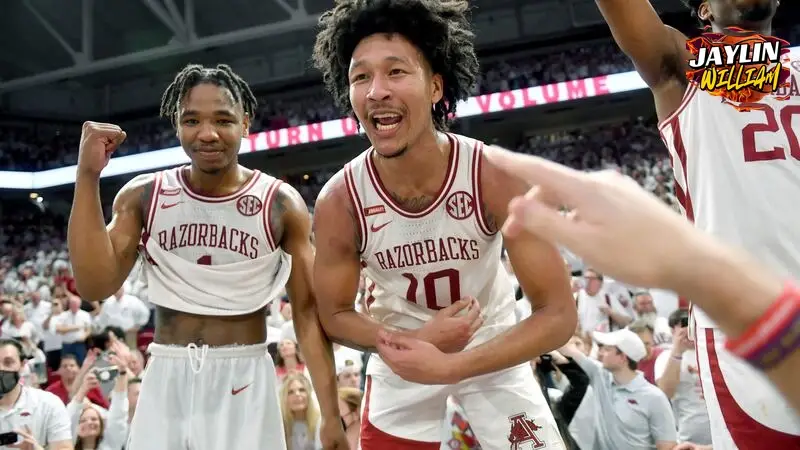
In summary, calling Jaylin Williams just a “rebound machine” oversimplifies his game. His rebounding is impressive due to his smart positioning, hard work, and strategic play, which helps his team greatly. His court awareness and game understanding enhance his skills, making him a key player on both offense and defense. His effective rebounding comes from a mix of skill, intelligence, and effort, regardless of his teammates or opponents.
