
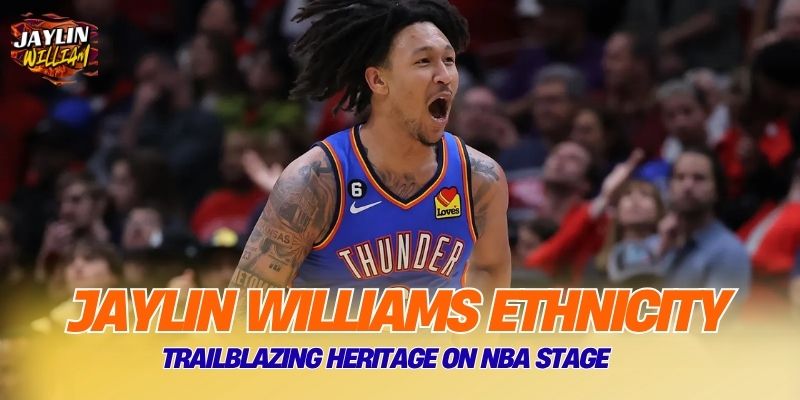
In the world of professional basketball, stories of heritage and identity often add rich layers to a player’s profile. For Jaylin Williams, his mixed ethnicity has become a part of his narrative as much as his on-court hustle. This article delves into the keyword “jaylin williams ethnicity”, tracing his family background, how his dual-heritage plays into his public persona, and why it matters in today’s NBA landscape.
Origins of His Ethnicity
To understand how Williams’ heritage shapes his identity, it’s important to start with his family background and cultural roots.
Family roots – African-American father, Vietnamese mother
Jaylin Williams was born on June 29, 2002, in Fort Smith, Arkansas. His father, Michael Williams, is African-American, while his mother, Linda Williams, is of Vietnamese descent, born in Saigon (now Ho Chi Minh City) and immigrated to the U.S. in 1975 after the Vietnam War. That cultural blend places Jaylin in a unique position in the NBA, with heritage from two distinct communities.
Milestones – First player of Vietnamese descent drafted/rostered
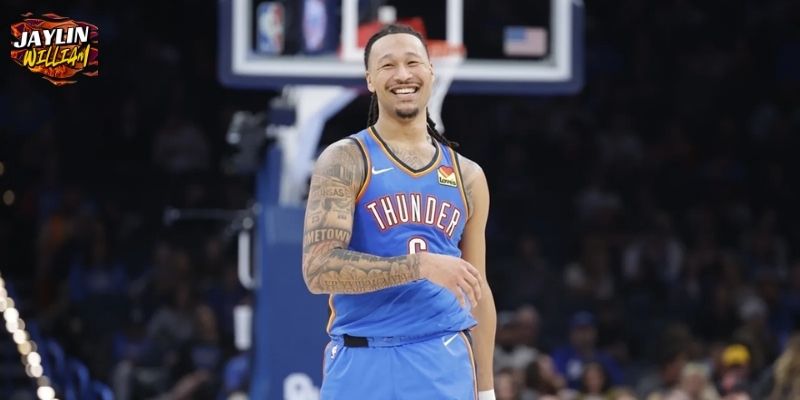
Williams made history when he was selected in the 2022 NBA Draft by the Oklahoma City Thunder as the 34th overall pick. At that moment, he became the first player of Vietnamese descent ever drafted into the league. As his professional career progressed, he also became the first player of Vietnamese heritage to feature significantly in the NBA and attracted international interest, particularly from Vietnamese and Asian basketball fans.
Cultural Significance of His Mixed Heritage
Beyond the statistics and draft picks, Williams’ ethnicity carries cultural weight, both personally and in broader representation.
Identity and connection to both heritages
Williams has publicly acknowledged his Vietnamese heritage and expressed pride in it. In interviews he said: “Honestly, it’s amazing … the love I’ve gotten from Vietnam and the people supporting me from that area is crazy.”. While he grew up in the U.S. and is American by nationality, his maternal side offers him a direct link to Vietnamese culture. His mother’s story – born in Vietnam, relocating to America – forms a personal connection to immigrant narratives in sport.
Broader impact – Representation in the NBA
In an era when the NBA emphasizes global reach and diversity, Williams’ mixed ethnicity becomes more than a footnote. He stands as a symbol for Asian-American and Vietnamese-American basketball aspirations. Media coverage points to his growing popularity among Vietnamese fans and Asian communities in Oklahoma City and beyond. That means his career isn’t just measured in points and rebounds but also in representation.
Ethnicity in Numbers and Facts
Let’s anchor the narrative with some concise data points about Williams’ ethnic background and career milestones.
Quick-facts table
Why the numbers matter
While ethnicity doesn’t show up in standard box‐scores, the “firsts” and representation metrics do. Being the first player of Vietnamese descent drafted, and then making it to the NBA Finals, marks unique milestones. These facts underscore why his ethnicity is more than background – it’s part of his story and the broader narrative of the NBA’s global and multicultural evolution.
Challenges, Opportunities and Identity Navigation
Having a mixed ethnic background alongside a rising sports profile brings both opportunities and complexities. Let’s unpack both.
Balancing cultural roots with basketball identity
Williams has mentioned that although his mother and grandmother were immersed in Vietnamese culture, he himself hasn’t yet been to Vietnam but intends to visit: “I want to go to Vietnam one day. That is one of my bucket-list things.”. Navigating dual heritage means balancing his American upbringing, African-American side, and Vietnamese roots. For him, the opportunity lies in acknowledging both, while embracing the community support from Vietnamese and Asian fans.
Opportunity for expanded influence
Because his ethnicity resonates beyond just basketball courts, Williams has the opportunity to become a bridge between culture and sport. His visibility allows brands, media and communities to highlight Vietnamese-American representation in the NBA. This amplifies influence off-court and opens doors to outreach, endorsements and role-modellng. As a mixed‐heritage athlete, he becomes part of a broader narrative of diversity in sport.
To explore more stories that reveal the human side of athletes – from culture, values to daily life behind the spotlight – visit our Lifestyle & Personal category, where identity meets inspiration beyond the game.
Potential challenges in stereotype and expectation
With representation comes expectation – both from the American basketball system and from cultural communities watching. Williams may face pressure to embody success not only for himself but also symbolically for Vietnamese-American audiences. Additionally, mixed-heritage athletes sometimes balance differing cultural expectations, language, identity questions and public perception. These can be subtle but real aspects of the career and public life of a player like Williams.
Looking Ahead – What His Ethnicity Means for His Future and the NBA
The significance of Williams’ ethnicity is not just in his past or present, but also in implications for his future and for the league’s broader story.
Cultural relevance and global growth of the NBA
As the NBA continues its push into Asia and global markets, players like Williams offer natural connection points. His Vietnamese heritage provides an anchor for fan engagement, media narratives and cultural outreach in Vietnam, Southeast Asia and the broader Asian-American community. That cultural resonance often translates into branding, international following and personal platform building.
Personal legacy beyond stats
If Williams continues to build his NBA career – whether as a rotation player, a key role piece or more – his story will carry added weight because of his background. His ethnicity, once a novelty note, may become part of his legacy: a player who broke new ground for Vietnamese-descent athletes and helped open doors for others. That kind of personal narrative complements on-court achievement.
Role modeling for future generations
When young athletes of Vietnamese descent or mixed heritage look for role models, Williams provides a tangible example – someone who made it to the NBA, acknowledges both sides of his heritage, and navigates identity publicly. This potential ripple effect matters: the more visible diverse athletes are, the more the talent pool broadens globally. In that context, “ethnicity” isn’t just a statistic, but a gateway for inspiration.
Conclusion
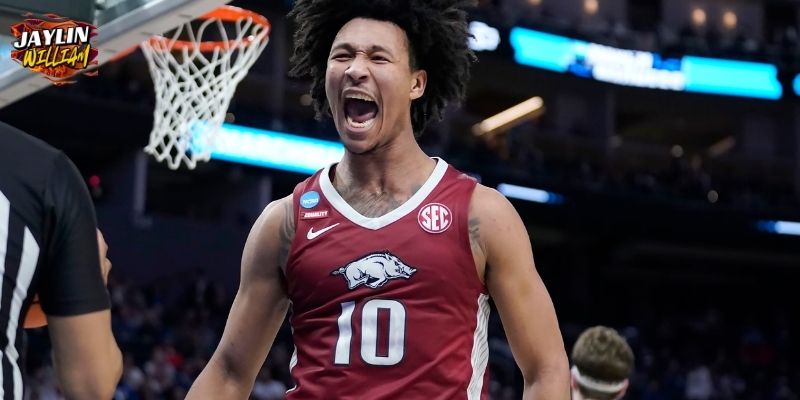
The story of Jaylin Williams’s ethnicity is more than a list of heritage facts. It’s about identity, representation and the power of sport to connect cultures. With an African-American father and a Vietnamese mother, Williams stands at a unique intersection – and as the first NBA draftee of Vietnamese descent, he carries symbolic weight. His mixed heritage enriches his personal narrative, enhances the global presence of the NBA and offers – to aspiring athletes of similar backgrounds – a path worth watching. As his career progresses, the significance of his ethnicity will likely evolve from novelty to a meaningful part of his legacy: one where achievement on the court and identity off the court combine to tell a broader story.
